Brick and Stone Flatwork Repair vs. Replacement for Commercial Properties
For commercial properties, local contractors can help determine if brick and stone flatwork repair is sufficient or if replacement is necessary to restore durability and appearance.
Understanding the differences between brick and stone flatwork repair versus replacement is an important step for commercial property owners looking to maintain their buildings’ integrity and appearance. Whether dealing with cracks, uneven surfaces, or other signs of wear, knowing when repairs are sufficient or when replacement might be necessary can save time and resources. Property owners in the area often explore this topic to make informed decisions that preserve the value and safety of their investment, especially when considering the longevity of their outdoor surfaces.
Local contractors specializing in brick and stone flatwork are well-equipped to assess the condition of existing surfaces and recommend practical solutions. Repair services can often restore functionality and aesthetic appeal without the need for full replacement, making them a cost-effective choice in many cases. As you continue reading, you'll find useful insights into how repair options compare to replacement, and how experienced service providers can help determine the best approach for your commercial property’s specific needs.
- Cracked or uneven brick and stone flatwork - when damage is localized, local contractors often recommend repair to preserve the existing surface rather than full replacement.
- Surface deterioration or staining - if the flatwork shows signs of surface wear, service providers may suggest repair options that restore appearance without extensive removal.
- Minor structural issues in brick and stone flatwork - for small shifts or settling, local pros typically perform targeted repairs to maintain stability instead of replacing entire sections.
- Cost considerations for commercial properties - repair services are generally more affordable and less disruptive than replacement, making them a practical choice for ongoing maintenance.
- Preserving historic or architectural features - when original brick or stone work is valuable, local contractors often focus on repair to retain character while addressing damage.
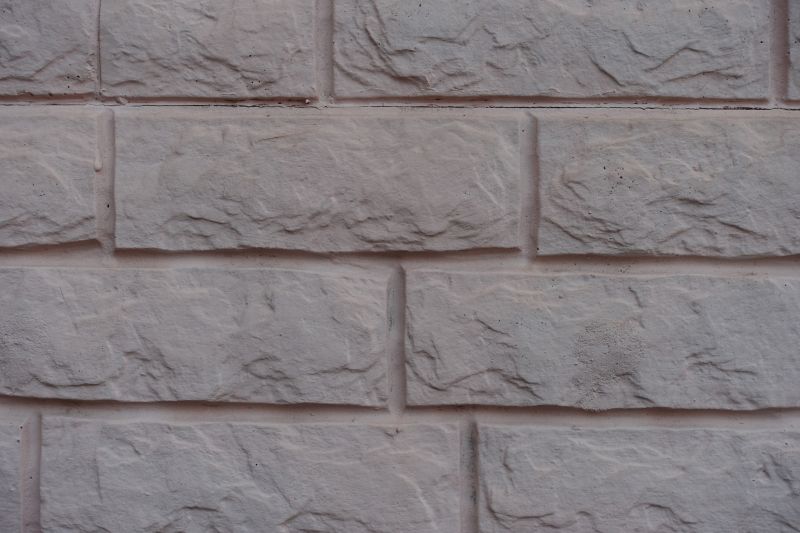
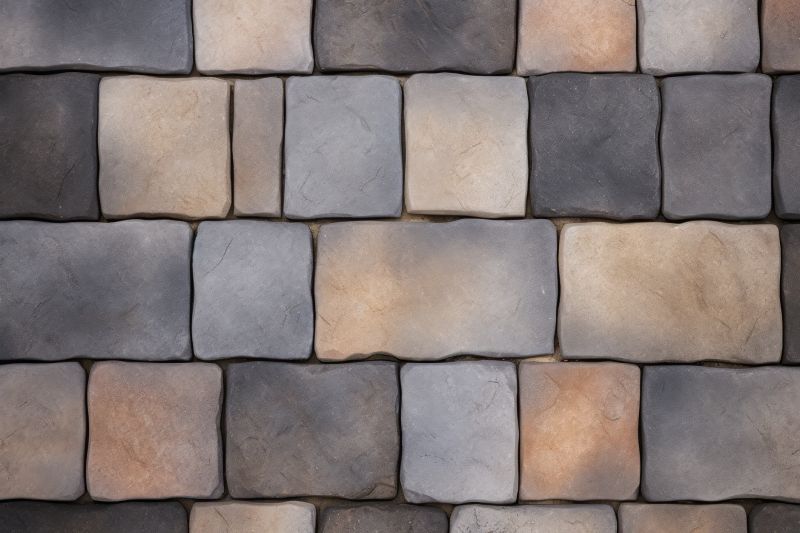
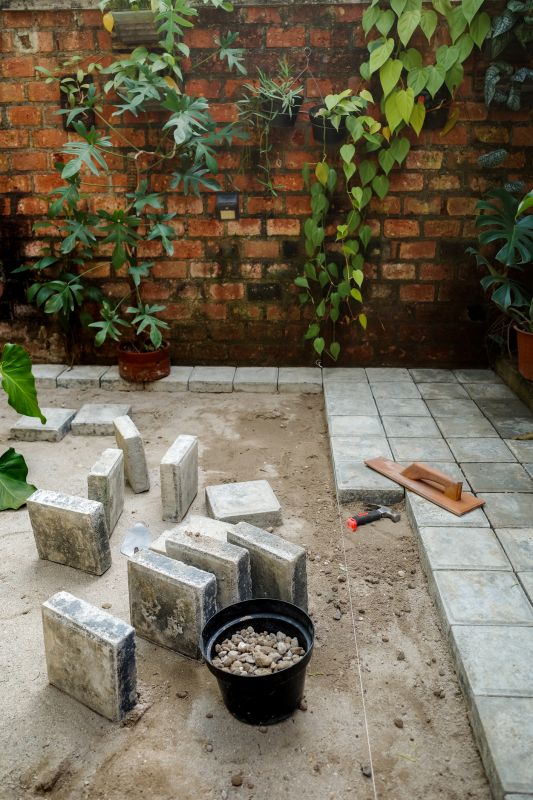
When searching for information on brick and stone flatwork repair versus replacement for commercial properties, property owners are typically trying to understand which option best addresses existing issues while maintaining the property's appearance and safety. This comparison often comes up when dealing with deteriorating or damaged flatwork surfaces such as walkways, patios, or loading areas. Property managers and business owners want to know whether repairs can restore the integrity of the flatwork or if a complete replacement is necessary to ensure durability and compliance with safety standards. The goal is to make informed decisions that balance cost, longevity, and aesthetic appeal, especially when flatwork plays a key role in the property's functionality and curb appeal.
Problems leading to consideration of repair or replacement usually involve cracks, uneven surfaces, spalling, or other forms of damage caused by weather, heavy use, or age. Plans often include upgrading or maintaining existing flatwork to improve safety, prevent further deterioration, or enhance the property's visual appeal. Flatwork repair focuses on fixing specific issues without removing the entire surface, making it a potentially cost-effective solution for minor damage. Replacement, on the other hand, involves removing old or severely damaged surfaces and installing new flatwork, which may be necessary when damage is widespread or structural integrity is compromised. Local service providers specializing in brick and stone flatwork can evaluate the condition of existing surfaces and recommend the most suitable approach based on the property's specific needs.
Commercial properties that commonly come up in discussions about flatwork repair versus replacement include retail centers, office complexes, industrial facilities, and parking lots. These properties often feature brick or stone elements in walkways, loading docks, or decorative facades that are exposed to heavy foot and vehicle traffic. Damage to these surfaces can lead to safety hazards, liability concerns, and a negative impression on visitors and tenants. For property owners, choosing between repair and replacement involves assessing the extent of damage, the long-term benefits, and how the flatwork contributes to the property's overall functionality and aesthetics. Skilled local contractors can provide assessments and solutions tailored to the unique demands of each commercial setting.
Understanding the distinctions between brick and stone flatwork repair and replacement helps property owners make better-informed decisions about maintaining their commercial spaces. Repair services are suited for addressing localized issues quickly and cost-effectively, often extending the life of existing flatwork. Replacement services are more appropriate when damage is extensive or when the flatwork no longer meets safety or aesthetic standards. Local contractors experienced in working with brick and stone surfaces play a crucial role in helping property owners evaluate the condition of their flatwork and choose the best course of action. They can provide the expertise needed to ensure that repairs or replacements are performed properly, ultimately supporting the property's safety, appearance, and long-term value.
Paving Restoration Projects - local contractors specializing in paving restoration can handle concrete and stone surfaces that require repair or replacement, similar to brick and stone flatwork for commercial properties.
Sidewalk and Walkway Repairs - these projects involve fixing or replacing damaged concrete or stone walkways, utilizing skills comparable to those needed for brick and stone flatwork repair vs. replacement for commercial properties.
Parking Lot Resurfacing - service providers experienced in resurfacing and repairing parking lots work with materials and planning approaches similar to those used in brick and stone flatwork projects.
Exterior Masonry Restoration - local pros performing masonry restoration for building facades share techniques and planning considerations with brick and stone flatwork repair vs. replacement for commercial properties.
Hardscape Design and Repair - professionals handling hardscape features like patios and retaining walls use similar tools and planning skills as those involved in flatwork repair or replacement decisions.
Concrete Repair and Replacement - specialists in concrete repair are familiar with assessing damage and determining whether repair or replacement is appropriate, aligning with the considerations in brick and stone flatwork projects for commercial sites.

When evaluating contractors for brick and stone flatwork repair versus replacement for commercial properties, it is important to consider their experience with similar projects. Contractors who have a proven track record working on commercial-grade brick and stone flatwork are more likely to understand the specific demands and complexities involved. Asking for examples of past work or references related to comparable projects can provide insight into their expertise and ability to deliver results that meet the needs of a commercial setting. This experience can help ensure the chosen service provider is familiar with the unique challenges of repair and replacement in high-traffic or heavily used areas.
Clear written expectations are essential when comparing local contractors for brick and stone flatwork services. A detailed scope of work, including the extent of repair or replacement, materials to be used, and any specific finishes or finishes required, helps prevent misunderstandings. Contractors who provide comprehensive proposals that outline these details demonstrate professionalism and transparency. Having well-defined expectations can also facilitate smoother communication throughout the project, ensuring that both parties are aligned on the scope and deliverables, which is especially important for complex or large-scale commercial projects.
Reputable references and effective communication are key factors in selecting the right service provider. Contractors with positive references from previous commercial clients indicate reliability and quality of work. Additionally, a contractor’s ability to clearly explain the repair or replacement process, answer questions, and keep the property owner informed throughout the project can significantly impact overall satisfaction. Good communication helps address concerns promptly and ensures that project goals are understood and met. When comparing local pros, seeking out those with strong reputations and transparent communication practices can lead to a more confident and successful outcome for brick and stone flatwork repair versus replacement projects.
Property owners often search for brick and stone flatwork repair vs. replacement for commercial properties when they are planning practical projects around their homes and businesses. Local pros provide Brick and Stone Flatwork Repair services for everyday jobs and straightforward project options.
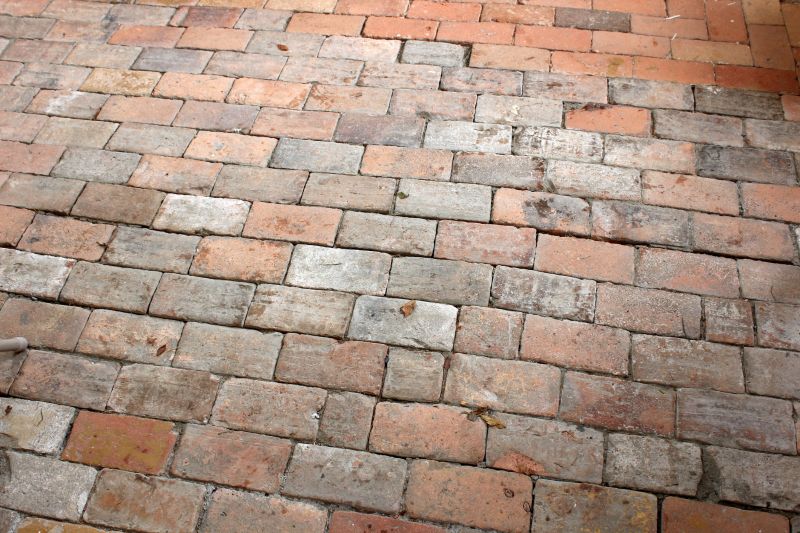
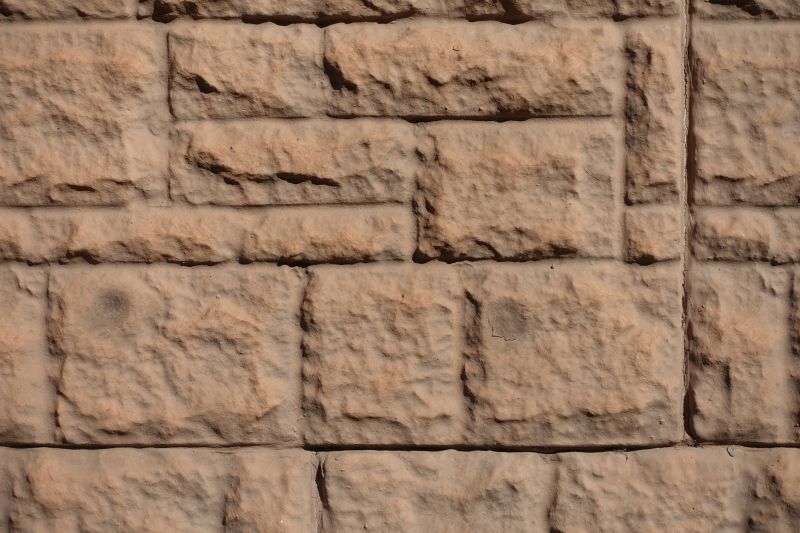
In many commercial properties, brick and stone flatwork can develop cracks, uneven surfaces, or signs of wear over time due to regular use and exposure to the elements. When these issues arise, property owners often consider whether repair or full replacement makes the most sense. Local contractors specializing in brick and stone flatwork repair can assess the condition of existing surfaces and recommend targeted fixes that restore stability and appearance without the need for costly replacements. Repair options are typically quicker and less disruptive, making them a practical choice for maintaining the property's functionality and curb appeal.
On the other hand, some situations may call for a full replacement of brick and stone flatwork, especially if the damage is extensive or structural integrity is compromised. Local service providers can help evaluate whether repair will be sufficient or if replacement is necessary to ensure safety and longevity. Choosing repair services over replacement can often save time and money, particularly when the existing materials are still salvageable. Property owners seeking practical solutions for their commercial flatwork issues can benefit from consulting with experienced local contractors who can guide them toward the most appropriate approach based on the specific condition of their surfaces.
What is the difference between brick and stone flatwork repair and replacement for commercial properties? Repair involves fixing cracks, chips, or deterioration in existing brick or stone surfaces, while replacement means removing and installing new flatwork when repairs are no longer effective or practical. Local contractors can assess which option is suitable based on the extent of damage.
When should a commercial property consider repairing brick and stone flatwork instead of replacing it? Repair is advisable when damage is limited to surface cracks or minor deterioration, allowing the existing flatwork to be restored without the need for full replacement. Local service providers can evaluate the condition to recommend the best approach.
Are there advantages to choosing repair over replacement for brick and stone flatwork? Repair typically involves less disruption, lower cost, and preserves the original aesthetic of the property. Local pros can determine if repairs will extend the lifespan of the flatwork before considering replacement options.
What signs indicate that brick and stone flatwork may need replacement rather than repair? Extensive cracks, uneven settling, or widespread deterioration often suggest that repair may no longer be effective, and replacement could be necessary. A consultation with local contractors can help identify the most appropriate solution.
How can local contractors help decide between repair and replacement for brick and stone flatwork? Experienced service providers can evaluate the condition of the flatwork, consider the severity of damage, and advise on whether repairs will suffice or if replacement is the better long-term choice for the property.
Assessing Damage - Property owners can evaluate the severity of cracks or deterioration in brick and stone flatwork to determine if repair is sufficient or if replacement is necessary, with guidance from local contractors.
Preserving Historic Features - For historic or aesthetically valuable brick and stone flatwork, repair options might retain original craftsmanship, while replacement could alter the property's character, making local pros’ advice important.
Cost and Longevity Considerations - Deciding between repair and replacement involves weighing the long-term durability of repairs versus the benefits of a new installation, with local service providers helping to inform the choice.
Matching Existing Materials - When repairs are chosen, matching the existing brick or stone ensures visual consistency; local contractors can recommend the best methods to blend repairs seamlessly with the original flatwork.
If you are thinking about brick and stone flatwork repair vs. replacement for commercial properties for a property, this guide is meant to help you understand this topic, the typical project types, and how different options might fit your plans.
When you are ready, you can use the quote form on this page to share a few details about your project. From there, local pros can review the basics and follow up with options that match what you have in mind.