Common Causes of Damage in Brick and Stone Flatwork
Local contractors specializing in brick and stone flatwork damage repair can help address common causes like settling, freeze-thaw cycles, and improper installation to restore and protect your surfaces.
Understanding the common causes of damage in brick and stone flatwork is essential for property owners aiming to maintain the integrity and appearance of their outdoor surfaces. Over time, factors like freeze-thaw cycles, improper installation, and exposure to moisture can lead to cracking, shifting, or deterioration. Recognizing these issues early can help prevent more extensive and costly repairs down the line. Local contractors who specialize in brick and stone flatwork damage repair are equipped to assess the specific causes affecting a property and recommend practical solutions to restore and protect these surfaces.
For property owners in the area, exploring the common causes of damage in brick and stone flatwork is a proactive step toward preserving outdoor spaces. Whether it's addressing damage caused by water infiltration, ground movement, or weather-related stress, understanding these factors helps inform maintenance and repair decisions. Connecting with experienced service providers who understand the local climate and conditions ensures that repairs are tailored to withstand future challenges. Keep reading to learn more about how local experts can assist in maintaining durable, attractive flatwork that stands the test of time.
- When brick and stone flatwork experiences cracking or shifting due to ground movement, local contractors can assess and repair the damage to restore stability. - Excessive exposure to freeze-thaw cycles can cause surface deterioration, and service providers use specialized techniques to repair and prevent further damage. - Spalling or surface chipping often results from moisture infiltration, with local pros applying targeted repairs to restore the flatwork’s integrity. - Heavy loads or repeated traffic can lead to surface wear, prompting local contractors to perform repairs that reinforce and extend the lifespan of the flatwork. - Poor installation or initial construction issues may cause early damage, and experienced service providers can address these problems through proper repair methods.
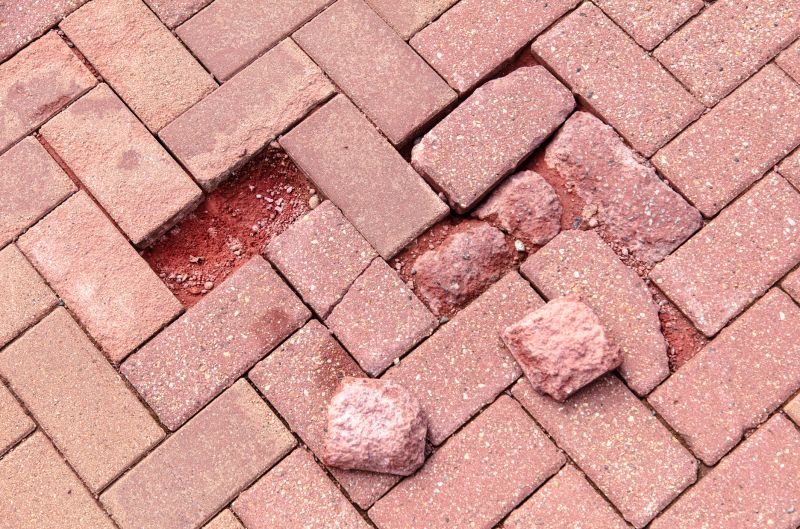
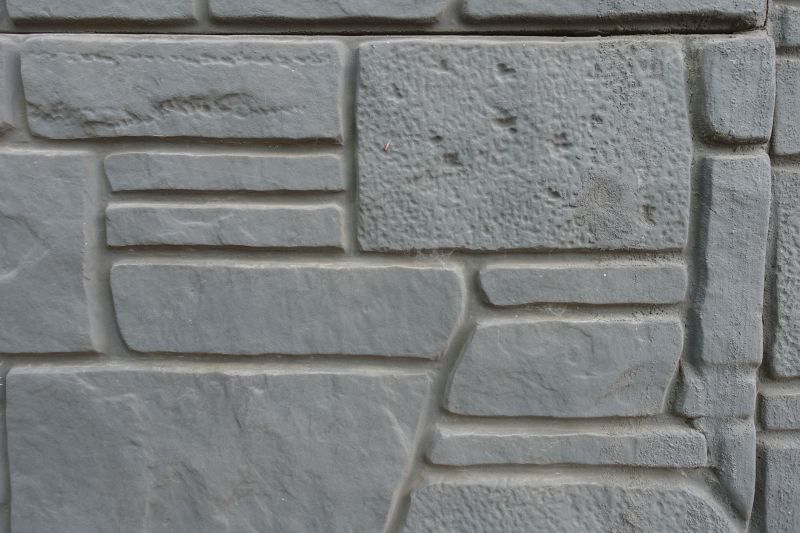
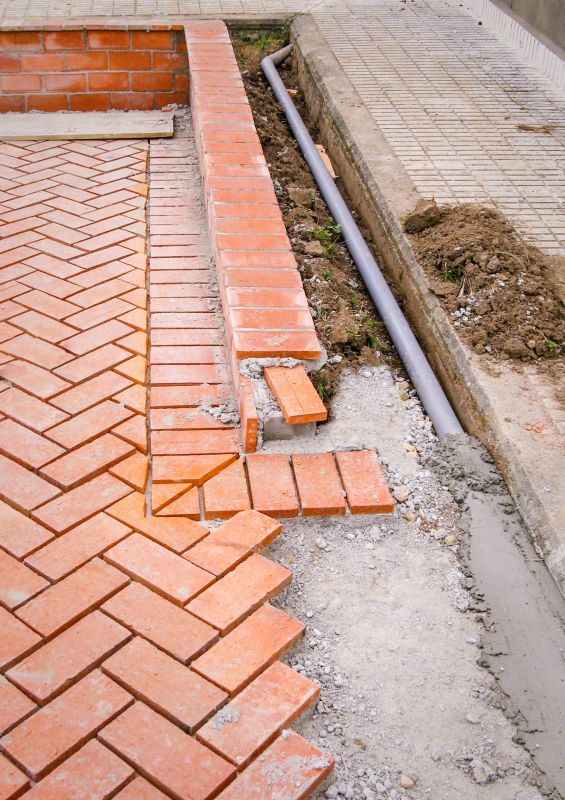
Understanding common causes of damage in brick and stone flatwork is essential for property owners looking to maintain the durability and appearance of their outdoor surfaces. These flatwork surfaces, which include patios, walkways, and driveways, are exposed to a variety of environmental and structural factors that can lead to deterioration over time. When homeowners search for this topic, they often want to identify what might be causing cracks, shifting, or surface erosion so they can plan appropriate repairs or replacements. Recognizing these causes helps property owners better understand the importance of timely maintenance and how local contractors can address specific issues before they worsen.
Damage in brick and stone flatwork typically relates to problems such as water infiltration, freeze-thaw cycles, and improper installation. Water is a common culprit, seeping into small cracks and expanding when it freezes, which can lead to larger fractures and surface spalling. Additionally, poor drainage around the property can cause water to pool or penetrate beneath the flatwork, accelerating deterioration. Freeze-thaw cycles are particularly damaging in colder climates, where repeated freezing and thawing weaken the materials over time. Improper foundation preparation or inadequate joint spacing during installation can also contribute to shifting, cracking, or uneven surfaces, making repairs necessary to restore the flatwork’s integrity.
The types of properties most affected by damage in brick and stone flatwork tend to include residential homes, especially those with older or historic exteriors, as well as commercial properties with high foot or vehicle traffic. Residential properties often have patios, walkways, or driveways that are exposed to weather elements and daily use, increasing the likelihood of damage. Commercial properties, such as storefronts or parking lots, experience additional stress from constant use and heavier loads, which can accelerate wear and tear. Regardless of property type, the common causes of damage are often similar, and addressing them promptly with professional repair services can help extend the life of the flatwork and prevent costly replacements down the line.
Local service providers specializing in brick and stone flatwork damage repair play a vital role in diagnosing and addressing these issues. They have the expertise to assess the underlying causes of damage, such as water infiltration or improper installation, and recommend appropriate solutions. From sealing cracks and improving drainage to replacing severely damaged sections or restoring the surface, these contractors can help property owners restore the safety and appearance of their flatwork. Connecting with experienced local pros ensures that repairs are handled with the right techniques and materials, ultimately helping to preserve the structural integrity and aesthetics of brick and stone flatwork for years to come.
Concrete paving projects - professionals experienced in concrete flatwork can address issues caused by improper installation or ground movement, similar to repairs needed for brick and stone flatwork damage.
Patio and walkway construction - local contractors skilled in outdoor surface installation are familiar with the planning and materials that can impact the durability of brick and stone flatwork.
Retaining wall building - expertise in stone and masonry work helps prevent damage caused by soil pressure and drainage problems, which are common causes of damage in flatwork.
Driveway resurfacing - service providers who specialize in driveway repair often handle problems related to cracking and settling, similar to issues in brick and stone flatwork.
Landscape masonry projects - professionals working with outdoor stone features understand how environmental factors can cause damage, aiding in repairs of flatwork affected by similar causes.
Drainage system installation - local contractors with drainage expertise can help prevent water-related damage that contributes to the deterioration of brick and stone flatwork.
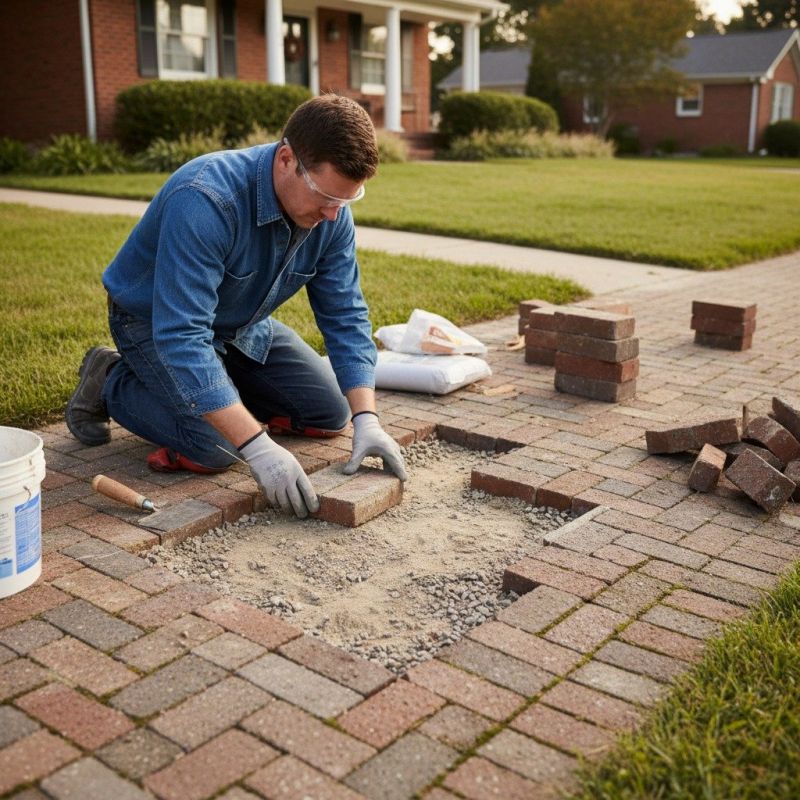
When evaluating service providers for brick and stone flatwork damage repair, it is important to consider their experience with similar projects. Contractors who have handled issues related to common causes of damage in brick and stone flatwork are more likely to understand the specific challenges involved. Their familiarity with repair techniques and repair materials suited for these types of flatwork can lead to more durable results. Asking about past projects or reviewing portfolios can help determine if a contractor has the relevant experience needed to address the particular issues affecting the flatwork in question.
Clear, written expectations are essential when comparing local contractors for flatwork repair services. A detailed scope of work, including the methods to be used, the materials involved, and the estimated process, helps ensure there are no misunderstandings. This transparency allows homeowners to better assess whether the contractor’s approach aligns with their needs and expectations. Well-defined expectations also provide a basis for comparing proposals and understanding what each service provider intends to deliver, which can contribute to a smoother repair process.
Reputable references and effective communication are key factors in selecting the right service provider. Contractors with positive references from previous clients can offer insight into their reliability, professionalism, and ability to handle common causes of damage in brick and stone flatwork. Good communication throughout the project helps ensure questions are answered, concerns are addressed, and progress is clearly conveyed. Choosing local contractors who prioritize clear communication and have a track record of satisfied clients can contribute to a successful repair experience that restores the flatwork’s integrity and appearance.
Property owners often search for common causes of damage in brick and stone flatwork when they are planning practical projects around their homes and businesses. Local pros provide Brick and Stone Flatwork Damage Repair services for everyday jobs and straightforward project options.
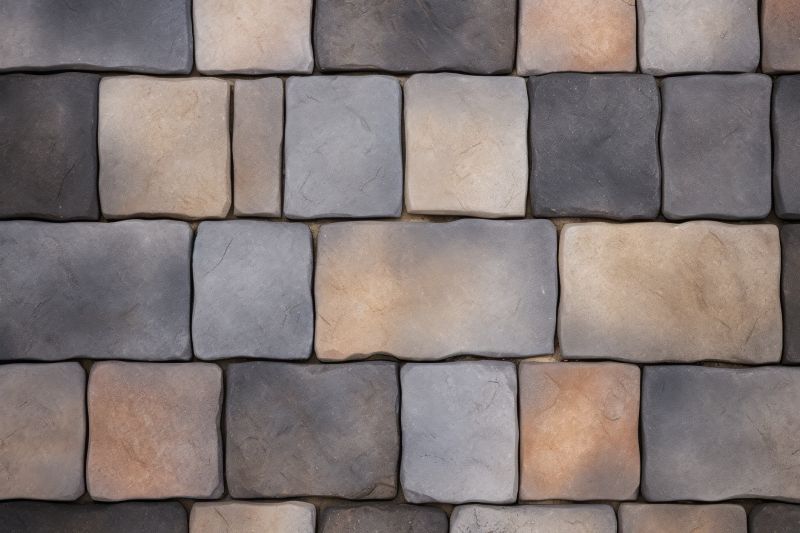
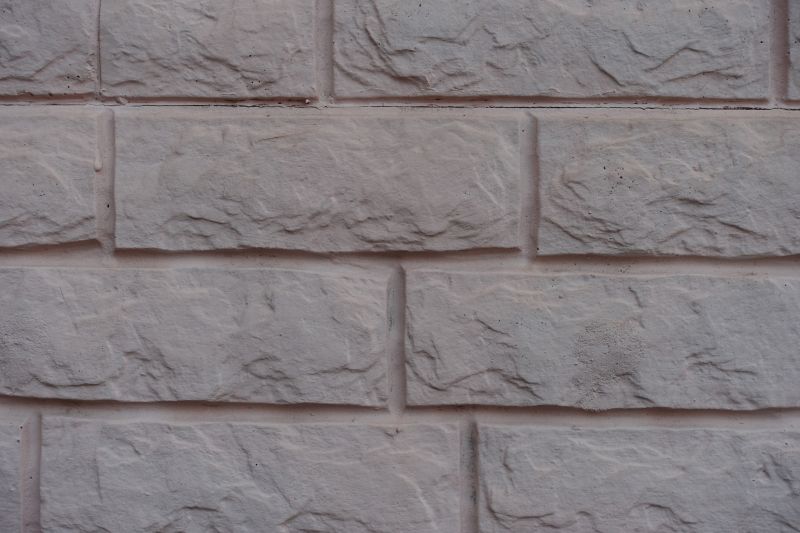
Understanding the common causes of damage in brick and stone flatwork can help property owners identify issues early and seek appropriate repairs. Everyday activities, such as heavy foot traffic or the placement of heavy outdoor furniture, can lead to surface cracks or uneven settling over time. Additionally, exposure to freeze-thaw cycles in colder months can cause the materials to expand and contract, resulting in cracks or spalling. Proper installation techniques and regular inspections by experienced local contractors can help prevent some of these issues from worsening, ensuring the durability and appearance of flatwork are maintained.
Environmental factors and maintenance habits also play a significant role in the longevity of brick and stone flatwork. For example, improper drainage around the flatwork can cause water to pool and seep into the material, accelerating deterioration. Vegetation growing in or around the joints can also cause shifting or cracking as roots expand. Property owners who notice signs of damage might consider consulting local service providers who specialize in repair work. These professionals can assess the damage, address underlying causes, and help restore the flatwork’s structural integrity and visual appeal.
What are common causes of damage in brick and stone flatwork? Common causes include exposure to freeze-thaw cycles, improper installation, and heavy loads that stress the material, leading to cracks or shifting. Local contractors experienced in flatwork repair can assess and address these issues effectively.
How does water infiltration contribute to damage in brick and stone flatwork? Water can seep into cracks or porous surfaces, causing deterioration through freeze-thaw cycles or erosion. Professional repair services can seal and waterproof flatwork to prevent further damage.
Can poor drainage lead to damage in brick and stone flatwork? Yes, inadequate drainage can cause water pooling around flatwork, increasing the risk of erosion and structural weakening. Local service providers can improve drainage to protect flatwork integrity.
What role does ground movement play in flatwork damage? Soil shifting or settling can cause cracks or uneven surfaces in brick and stone flatwork. Experienced contractors can perform repairs and stabilize the ground to prevent future issues.
How do environmental factors like freeze-thaw cycles affect flatwork durability? Repeated freezing and thawing can cause expansion and contraction in the material, leading to cracks and surface deterioration. Repair specialists can restore and reinforce flatwork to withstand these conditions.
Water infiltration - Proper drainage and sealing can prevent water from seeping into brick and stone flatwork, reducing the risk of cracks and erosion, with local contractors providing effective solutions.
Heavy loads and impacts - Avoiding excessive weight and impact on flatwork surfaces helps prevent structural damage, and local service providers can reinforce or repair compromised areas.
Freeze-thaw cycles - Protecting flatwork from freeze-thaw stress through proper installation and maintenance minimizes cracking, with local pros offering repair and sealing services.
Poor installation practices - Ensuring correct installation techniques can prevent early damage, and experienced contractors can assess and correct existing issues to extend the lifespan of flatwork.
If you are thinking about common causes of damage in brick and stone flatwork for a property, this guide is meant to help you understand this topic, the typical project types, and how different options might fit your plans.
When you are ready, you can use the quote form on this page to share a few details about your project. From there, local pros can review the basics and follow up with options that match what you have in mind.