Common Causes of Damage in Commercial Brick and Stone Flatwork
To repair damage caused by common issues like settling, freeze-thaw cycles, or moisture infiltration, local contractors specializing in brick and stone flatwork can restore durability and appearance.
If you own or manage a commercial property with brick or stone flatwork, understanding the common causes of damage is essential for maintaining its appearance and structural integrity. Over time, factors such as freeze-thaw cycles, water infiltration, and improper installation can lead to cracks, spalling, or uneven surfaces. Recognizing these issues early can help property owners prevent costly repairs and preserve the value of their investment. Exploring this topic provides practical insights into the challenges faced by commercial flatwork and highlights the importance of professional repair services offered by local contractors who specialize in brick and stone flatwork restoration.
Property owners in the area might find it especially beneficial to learn about the typical causes of damage because addressing issues promptly can extend the lifespan of their flatwork and avoid more extensive repairs later. Local service providers are equipped to assess damage caused by environmental exposure, heavy traffic, or settling, and to recommend appropriate repair solutions. Keeping informed about these common issues encourages proactive maintenance and ensures that commercial flatwork remains safe, functional, and visually appealing for years to come. Keep reading to discover how local pros can help address and repair damage caused by these everyday challenges.
- when cracks or uneven surfaces develop due to freeze-thaw cycles, local contractors can assess and repair damaged brick and stone flatwork to restore stability. - in cases where water infiltration causes deterioration, service providers can identify sources of moisture and perform necessary repairs to prevent further damage. - if heavy loads or repeated traffic lead to surface pitting or spalling, local pros can reinforce and repair flatwork to extend its lifespan. - when improper installation or settling causes misalignment, local contractors can realign and restore the flatwork to ensure safety and durability. - in instances of staining or surface erosion from environmental exposure, service providers can clean and restore the appearance of brick and stone flatwork.
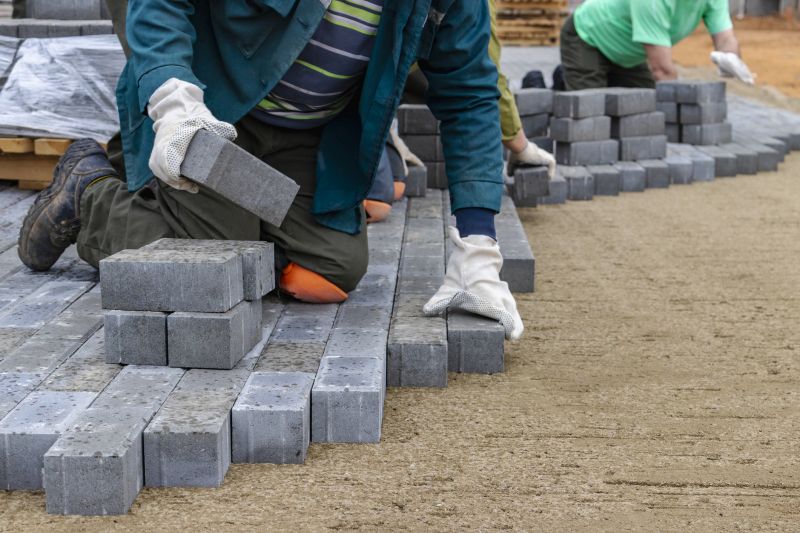
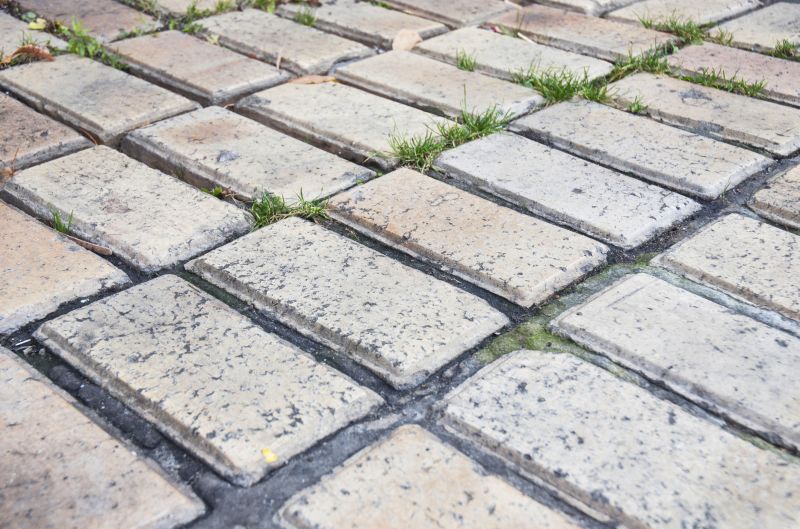
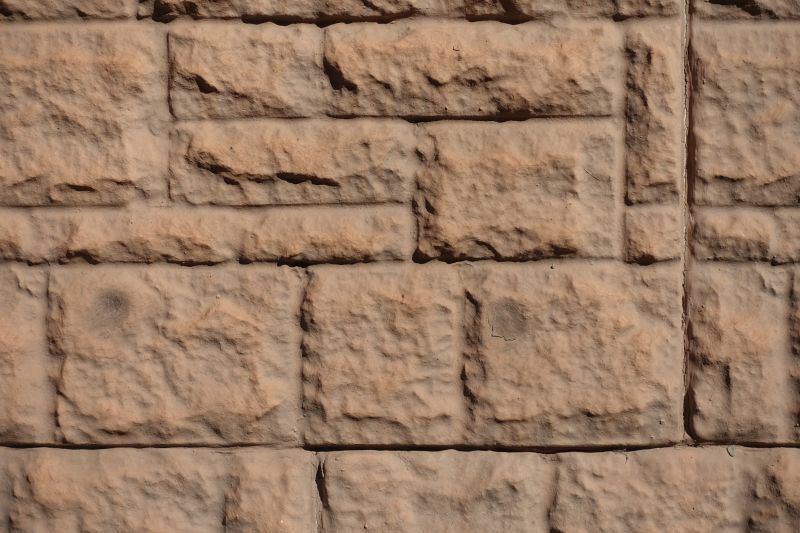
When searching for information about common causes of damage in commercial brick and stone flatwork, property owners are often trying to understand why their paved surfaces are deteriorating or showing signs of wear. This topic relates to a variety of issues that can impact the durability and appearance of flat concrete, brick, or stone surfaces used in commercial settings. People typically explore this subject when they notice cracks, unevenness, spalling, or other forms of damage that compromise the safety or aesthetics of their property. Understanding these causes helps owners plan repairs or maintenance to prevent further deterioration, making it a crucial consideration in property management and renovation projects.
Commercial properties that feature brick or stone flatwork are usually larger in scale and include parking lots, walkways, plazas, loading areas, or outdoor seating zones. These surfaces are exposed to constant foot or vehicle traffic, which can accelerate wear over time. Retail centers, office complexes, industrial facilities, and institutional buildings often have extensive flatwork made from brick or stone materials. Property owners in these sectors seek to identify the root causes of damage so they can work with local contractors who specialize in repair and restoration. Properly addressing these issues can extend the lifespan of the flatwork and maintain the property's value and safety.
Common causes of damage in commercial brick and stone flatwork often stem from environmental, structural, or material-related factors. Freeze-thaw cycles are a significant contributor, especially in climates with cold winters, where trapped moisture expands and contracts within the material, leading to cracks and spalling. Poor drainage can cause water to pool or seep into the foundation, weakening the base and resulting in uneven surfaces or sinking. Additionally, heavy loads from vehicles or equipment can exert excessive pressure, causing cracking or shifting. Over time, natural wear and tear, combined with exposure to chemicals like de-icing salts or oils, can also accelerate deterioration. Local service providers experienced in flatwork repair understand these common causes and can develop targeted solutions to restore and protect the surfaces.
Understanding these common causes of damage in commercial brick and stone flatwork helps property owners recognize early warning signs and seek timely repairs. When issues like cracking, loose bricks, or surface spalling appear, they might be signs of underlying problems such as poor drainage or structural stress. Local contractors who specialize in flatwork repair can assess the specific causes of damage and recommend appropriate fixes, whether that involves replacing damaged bricks, sealing cracks, or improving drainage systems. Addressing these issues proactively not only restores the flatwork’s appearance but also prevents more costly repairs down the line, ensuring the safety and longevity of the property’s outdoor surfaces.
Paving and sidewalk installation - professionals experienced in paving projects understand the importance of proper substrate preparation and joint sealing, which are crucial in preventing damage in commercial brick and stone flatwork.
Concrete repair services - these projects often involve similar skills in crack repair, joint restoration, and surface leveling that are essential for maintaining flatwork integrity and preventing deterioration.
Retaining wall construction - expertise in handling masonry and stonework helps address issues related to settling, shifting, or cracking that can affect adjacent flatwork surfaces.
Brick and stone veneer installation - local contractors skilled in veneer work share techniques for managing moisture and structural stress that impact the durability of flatwork areas.
Drainage system installation - proper drainage planning and execution are vital in reducing water-related damage to brick and stone flatwork, making this a related area for experienced service providers.
Landscape grading and erosion control - these projects involve planning and execution skills that help prevent water infiltration and ground shifting, which are common causes of damage in flatwork surfaces.
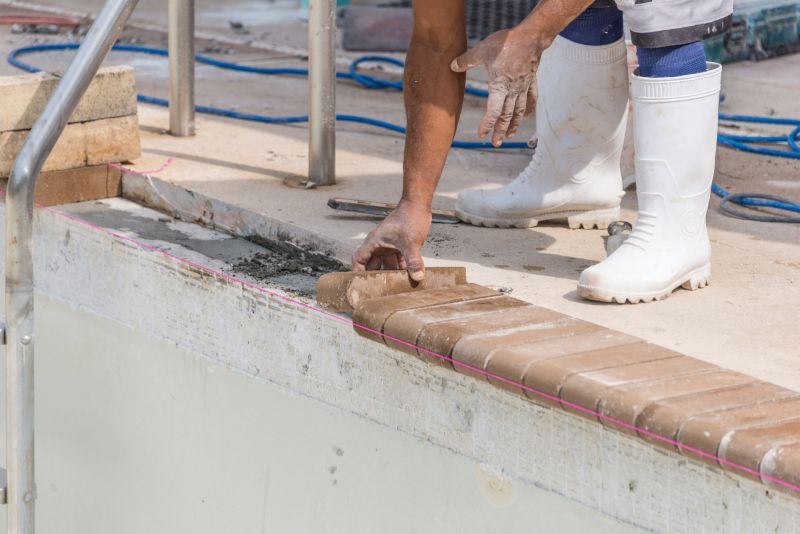
When evaluating service providers for commercial brick and stone flatwork repair, it is important to consider their experience with similar projects. Contractors who have handled repairs involving common causes of damage in commercial brick and stone flatwork are more likely to understand the specific challenges involved, such as settlement issues, moisture infiltration, or freeze-thaw cycles. Reviewing a contractor’s portfolio or asking for examples of past work can provide insight into their familiarity with these common issues and their ability to deliver quality results that address the root causes of damage effectively.
Clear written expectations are essential when choosing a contractor for repair services. A reputable service provider should offer detailed explanations of the scope of work, materials to be used, and the methods planned for addressing common causes of damage. This transparency helps ensure that both parties are aligned on project goals and reduces misunderstandings. Homeowners should seek contractors who provide written estimates or proposals that outline the process, so expectations are clearly set from the outset.
Reputable references and good communication are key factors in selecting a reliable contractor. Service providers with positive references from previous clients can offer reassurance of their ability to handle repairs properly and stand behind their work. Additionally, contractors who communicate clearly and promptly about project details, potential challenges, and next steps demonstrate professionalism and a commitment to customer satisfaction. These qualities help homeowners feel confident in their choice and ensure that the repair process proceeds smoothly, addressing the common causes of damage effectively.
Property owners often search for common causes of damage in commercial brick and stone flatwork when they are planning practical projects around their homes and businesses. Local pros provide Commercial Brick and Stone Flatwork Repair services for everyday jobs and straightforward project options.
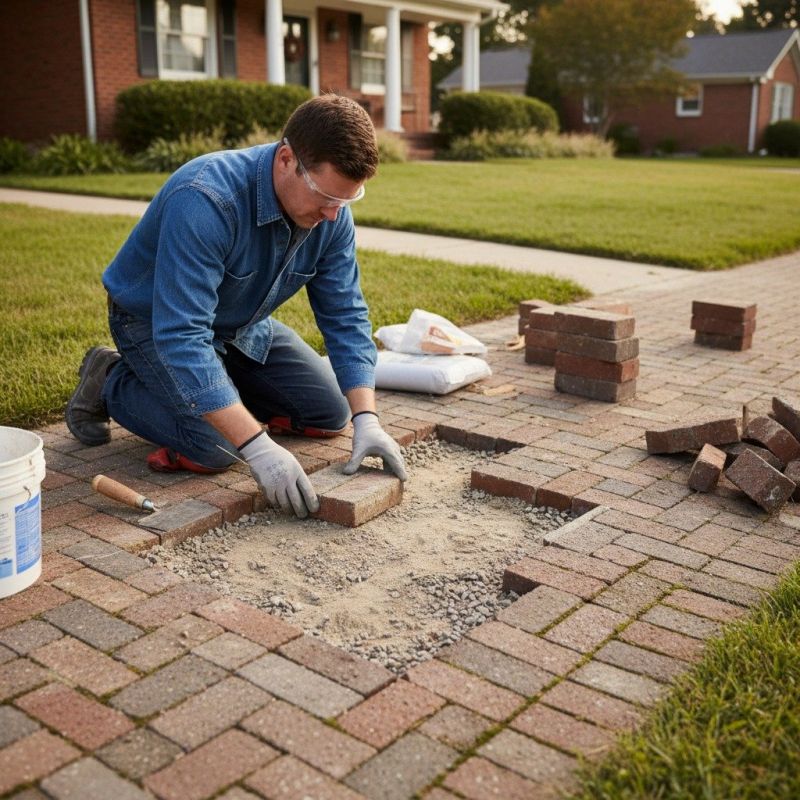
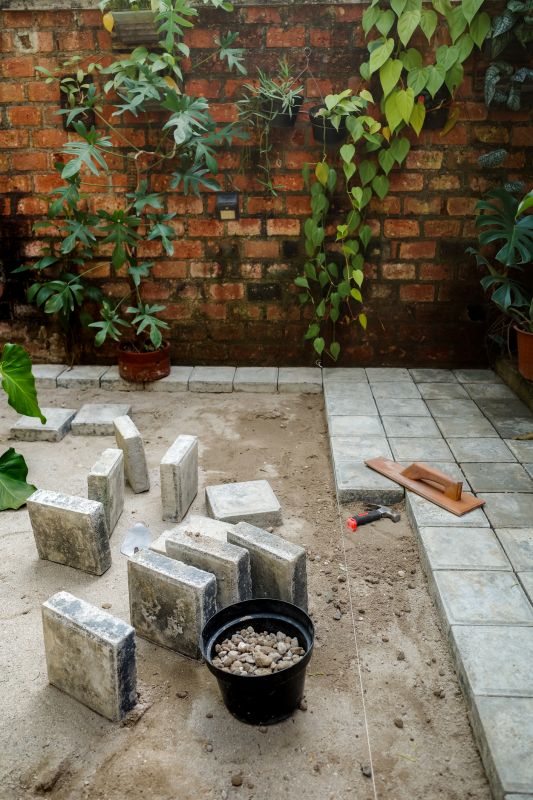
Commercial brick and stone flatwork can be vulnerable to various types of damage caused by everyday project situations. Heavy foot or vehicular traffic can lead to surface wear and cracks over time, especially if the flatwork wasn’t properly installed or maintained. Additionally, exposure to harsh weather conditions such as freeze-thaw cycles, rain, and snow can cause the materials to expand and contract, resulting in spalling or cracking. Property owners often seek out local contractors who specialize in repair services to address these issues before they worsen, ensuring the durability and safety of their flatwork surfaces.
Other common causes of damage in commercial brick and stone flatwork include improper drainage and ground movement. Poor drainage can lead to water pooling and seeping into the foundation, accelerating deterioration and weakening the structure. Ground shifting or settling can also create uneven surfaces or cracks that compromise the integrity of the flatwork. When these problems occur, property owners typically look for experienced local service providers who can assess the damage and provide effective repair solutions to restore the flatwork’s stability and appearance.
What are common causes of damage in commercial brick and stone flatwork? Common causes include freeze-thaw cycles, water infiltration, and improper installation, which can lead to cracking and spalling in the surface material.
How does water infiltration damage brick and stone flatwork? Water that seeps into the joints or pores can cause expansion during freezing, leading to cracks and deterioration over time.
Can environmental factors contribute to damage in flatwork? Yes, exposure to moisture, temperature fluctuations, and freeze-thaw cycles are significant environmental factors that can cause damage.
What role does improper installation play in flatwork damage? Poorly installed brick or stone flatwork may have inadequate drainage or insufficient bonding, increasing the risk of cracking and shifting.
How can local contractors help prevent or repair damage caused by these issues? Experienced service providers can assess the damage, identify underlying causes, and perform repairs or maintenance to restore flatwork integrity.
Water infiltration issues - Property owners can prevent damage by ensuring proper drainage around flatwork and scheduling repairs with local contractors to seal cracks and joints.
Freeze-thaw cycle effects - Regular inspections and timely repairs by local service providers help minimize damage caused by expanding ice within brick and stone surfaces.
Heavy loads and impact - Planning for appropriate load-bearing capacity and consulting local pros for reinforcement can reduce the risk of cracking and surface failure.
Poor installation practices - Choosing experienced local contractors ensures proper installation techniques that help prevent early deterioration and structural issues.
If you are thinking about common causes of damage in commercial brick and stone flatwork for a property, this guide is meant to help you understand this topic, the typical project types, and how different options might fit your plans.
When you are ready, you can use the quote form on this page to share a few details about your project. From there, local pros can review the basics and follow up with options that match what you have in mind.